Skip to content
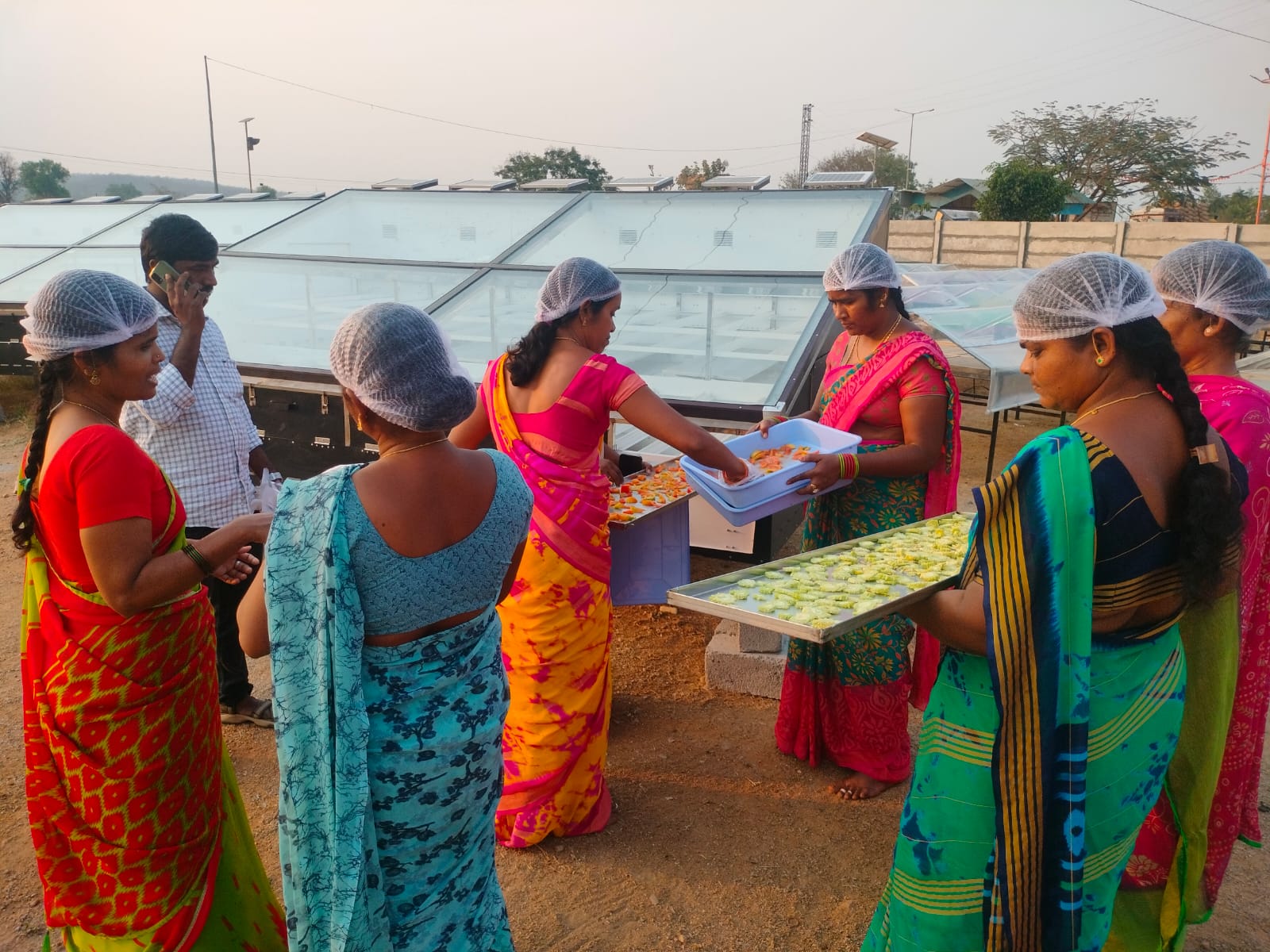
Women loading trays of sliced produce into solar dryers at Dichpally

Our journey · Past project (2022–2023)

Turning sunlight and surplus harvest into livelihoods for rural women.

A CSR-funded solar dehydration initiative that gave rural women in Jammu & Kashmir and Telangana a dignified, zero-energy-cost livelihood — while rescuing tonnes of fruit and vegetables that would otherwise have gone to waste.

Locations
Qazigund, J&K · Dichpally, Telangana
Timeline
Aug 2022 – May 2023
CSR Partner
NIIF / Athaang
Brand
Gratitude Farms

The problem we set out to solve

A large share of India's fruits and vegetables never reaches a consumer.

Across rural India, large quantities of fruit, vegetables and herbs perish every season for want of basic preserving, processing and marketing infrastructure — rotting in fields, in transit, or in unsold market stock. As that food waste decomposes, it releases methane, a greenhouse gas nearly 23 times more potent than CO₂.

Project Ravi Kiran was Gramonnati Trust's answer, built around a simple, elegant technology: solar dehydration. On an average day, sunlight delivers roughly 1,367 watts of heat energy per square metre. By drawing warm, dry air across the surface of fruits and vegetables, a solar dryer removes 80–90% of their moisture at an ambient 55–65°C — with zero electricity, zero fuel and zero emissions.

The result: nutritious, shelf-stable dried produce — and a sustainable livelihood for the rural women who run the drying units.

Where we worked

Two sites, one model.

Backed by CSR funding from NIIF through its implementation partner Athaang, the Trust signed its MoU on 3 August 2022 and set up solar drying facilities at two very different ends of the country.

Qazigund, Jammu & Kashmir

Village Mandipora, Tehsil Dooru, District Anantnag — 4 km from the Banihal Tunnel

  • Funds sanctioned: 13 September 2022
  • Site occupied: 15 December 2022, after surveying candidate sites across the district
  • Soft launch: 11 March 2023, with Athaang GM Mr Aftab Darvesh
  • Produce: Kashmiri apples, plums, peaches, apricots, pears, walnuts, mushrooms, strawberries, seabuckthorn — sourced through local FPOs
  • Equipment: Raheja solar dryers and advanced Sukoon Solutions dryers
Dichpally, Telangana

District Nizamabad, Telangana

  • Funds sanctioned: 7 December 2022
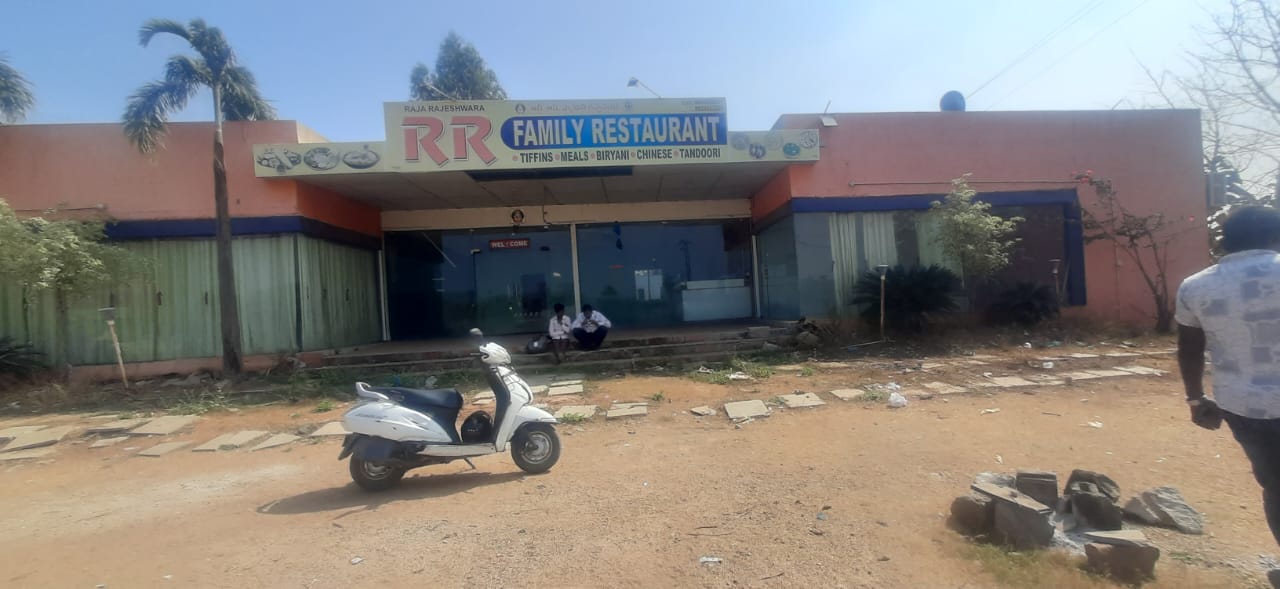
  • Site leased and prepared: December 2022 – February 2023, converting a former roadside restaurant
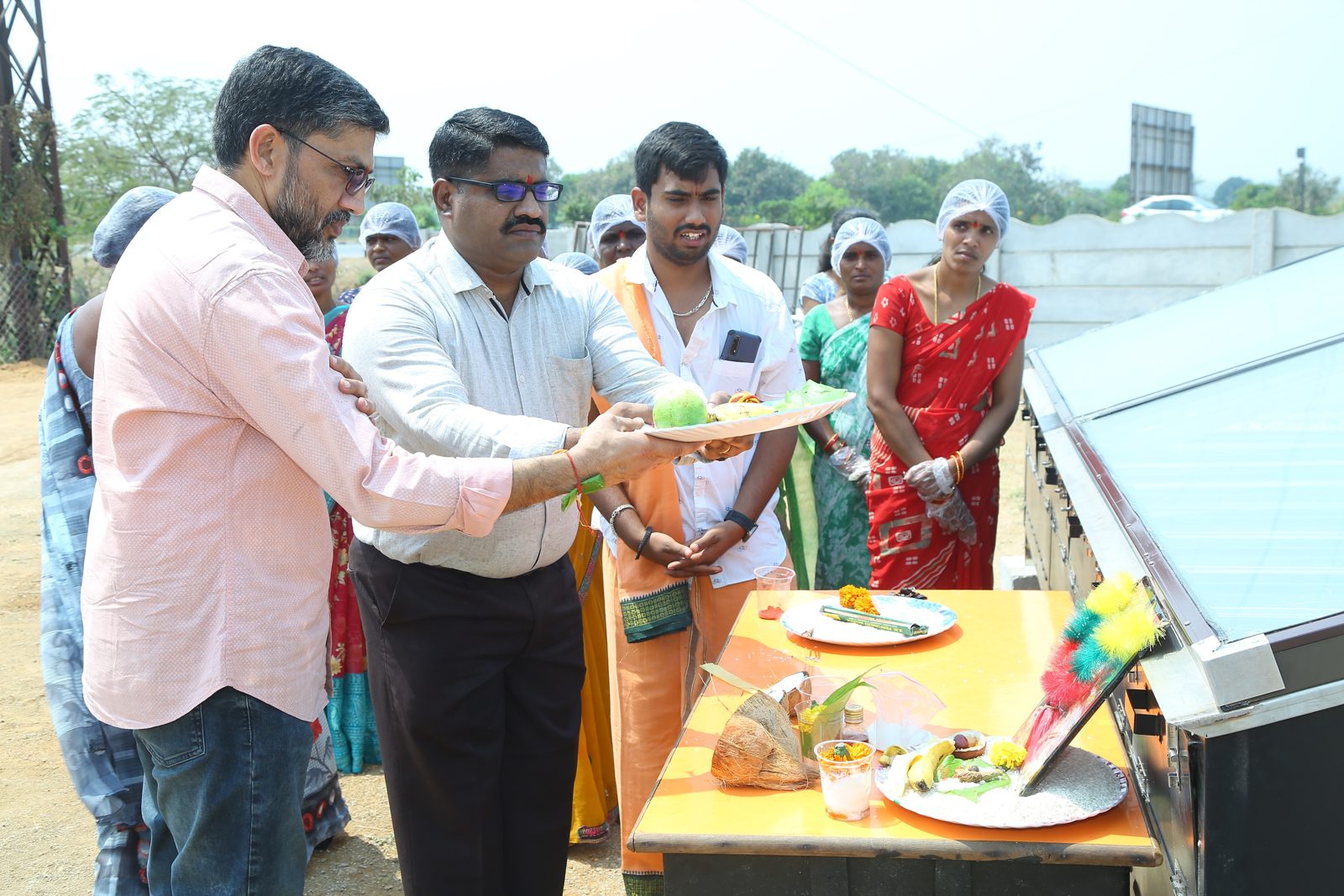
  • Soft launch: 11 March 2023 with a traditional pooja; formal launch: 3 May 2023
  • Produce: Mangoes, tomatoes, onions, ginger, garlic, guava, banana and local greens — plus moringa, ginger and turmeric powders
  • Equipment: Raheja solar dryers and advanced SEED dryers

How it works

From surplus harvest to shelf-stable product.

Every site ran the same end-to-end value chain — designed so that local women, once trained, could operate and maintain the equipment themselves.

  1. 01

    Sourcing

    Unsold or surplus fruits, vegetables and herbs purchased directly from local farmers and FPOs.

  2. 02

    Pre-processing

    Washing, sorting, pulping and slicing — done by trained local women.

  3. 03

    Solar drying

    One to two days in solar dryers at 55–65°C, removing 80–90% of moisture, down to roughly 28% of original weight.

  4. 04

    Post-processing

    Slicing, rolling and shaping into finished formats — including no-sugar fruit rolls and energy bars.

  5. 05

    Packaging

    Nutrition testing, compliance certification and creative packaging under the Gratitude Farms brand.

  6. 06

    Marketing & sales

    Local markets, Army units and establishments, corporate gifting, and bulk and online sales.

The journey in photos — part 1

Qazigund, Jammu & Kashmir

  1. Oct–Nov 2022

    Visits to apple orchards and selection of potential supply vendors.

  2. Dec 2022

    Site identified and occupied near the Banihal Tunnel; a project manager, supervisor, food technology manager and admin coordinator hired locally.

  3. Dec 2022 – Feb 2023

    Solar dryers manufactured and pre-shipment inspected at Raheja Solar Food Products (Indore) and Sukoon Innovations; heavy Kashmir Valley snow slowed on-site work.

  4. Jan–Feb 2023

    Gramonnati's local team trained in solar drying and food processing in Hyderabad.

  5. 1–10 Mar 2023

    Solar dryers installed on site; local women selected and trained.

  6. 11 Mar 2023

    Soft launch of the Qazigund facility, with Athaang GM Mr Aftab Darvesh in attendance.

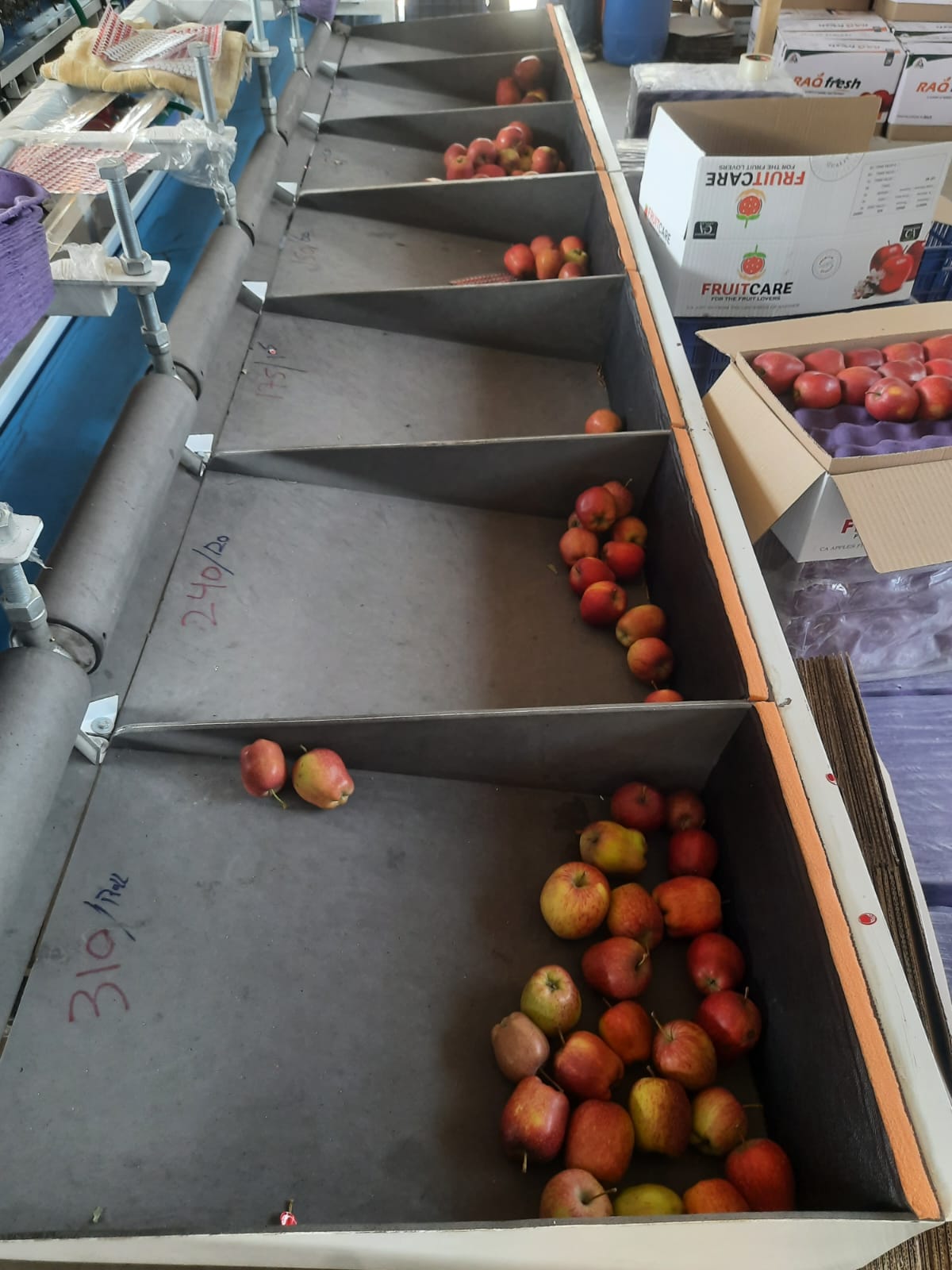
Sorting and grading Kashmir apples at a collection point
Sourcing and grading. Apples sorted at a local collection point, October 2022.
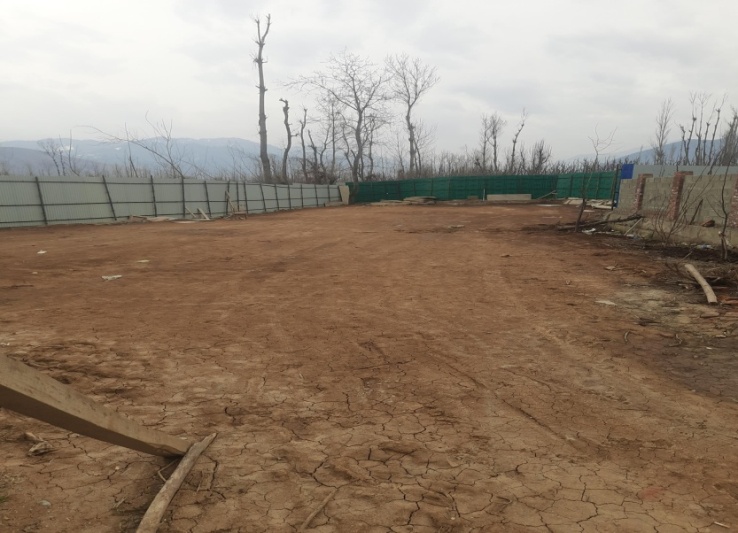
The open ground identified for the Qazigund drying yard, before construction
Before. The open ground identified for the Qazigund drying yard.
A solar-drying and food-processing training session in progress
Building skills. Solar-drying and food-processing training, Hyderabad, Jan–Feb 2023.
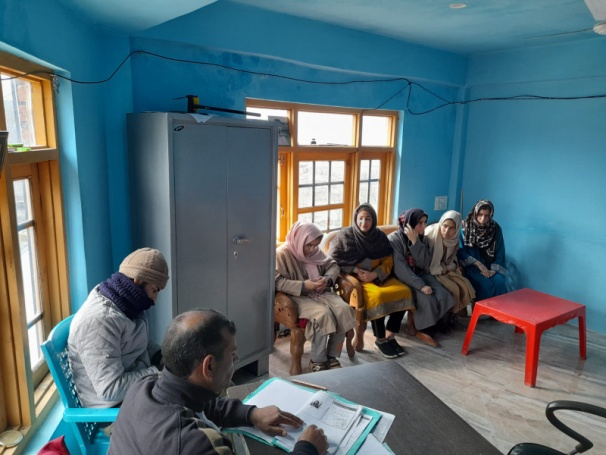
Local women being interviewed and selected for training
Selecting the team. Local women interviewed and selected for training.
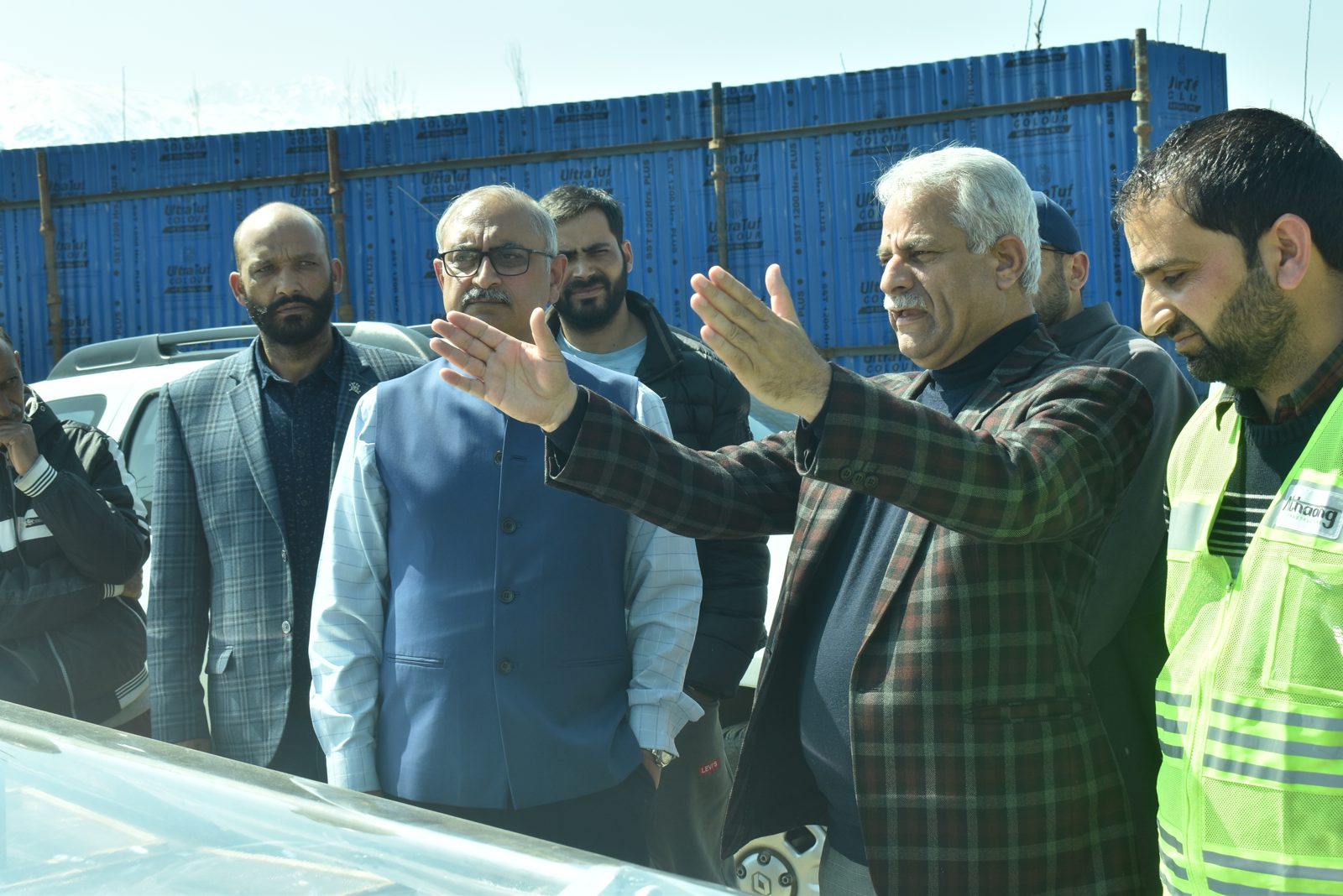
The Gramonnati team briefing Athaang's General Manager at the Qazigund soft launch
Soft launch, 11 March 2023. The team briefs Athaang's GM, Mr Aftab Darvesh.

The journey in photos — part 2

Dichpally & Nizamabad, Telangana

The roadside building in Dichpally earmarked for conversion into a processing facility
Before. The roadside building in Dichpally, earmarked for conversion.
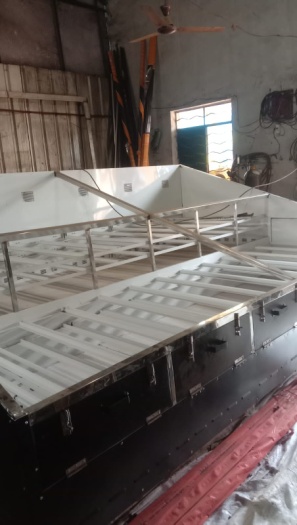
Solar dryer components being loaded for transport at Indore
Built and inspected. Solar dryer components loaded for transport, Indore.
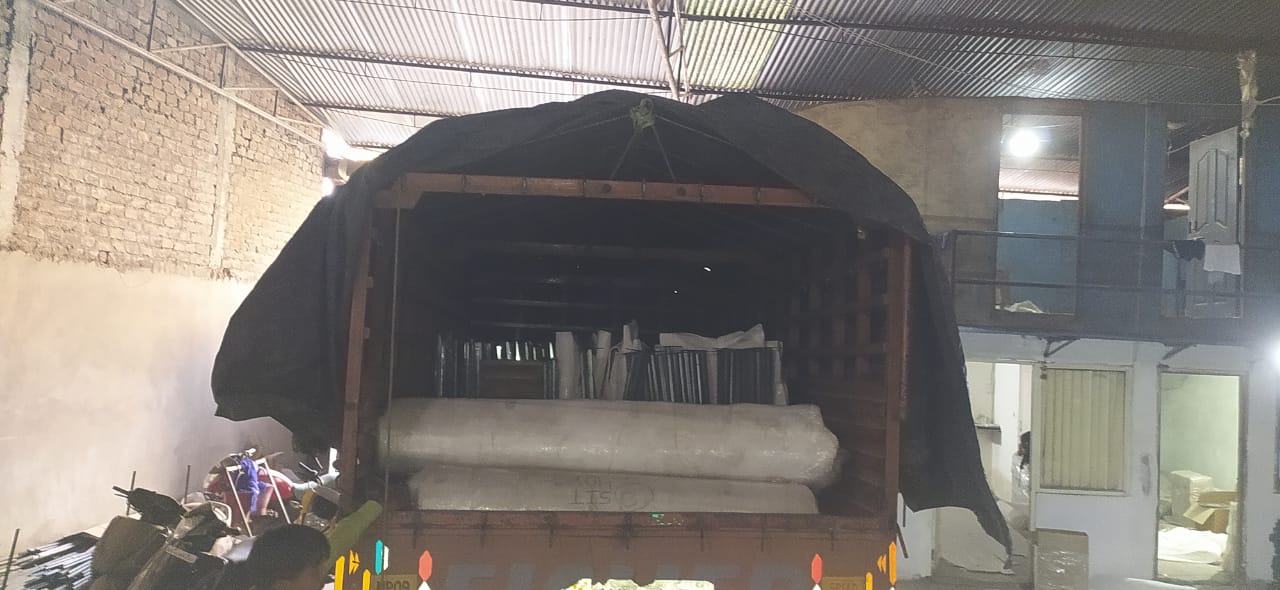
A truck of solar dryers despatched from Indore
On the way. Solar dryers despatched from Indore, March 2023.
A traditional pooja marking the start of operations at the Dichpally facility
Soft launch, 11 March 2023. A traditional pooja marks the start of operations.
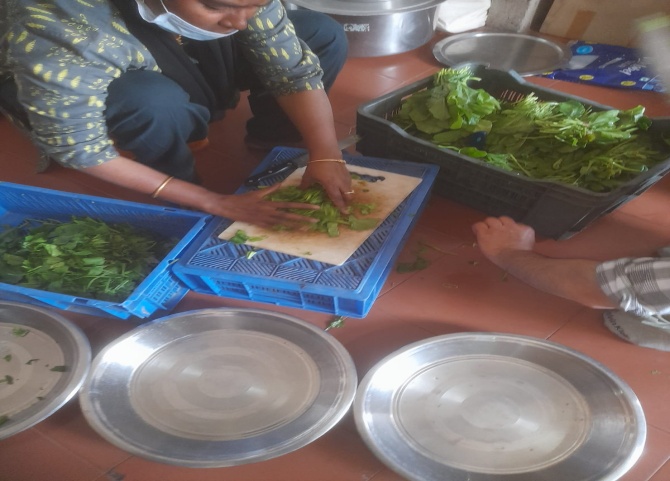
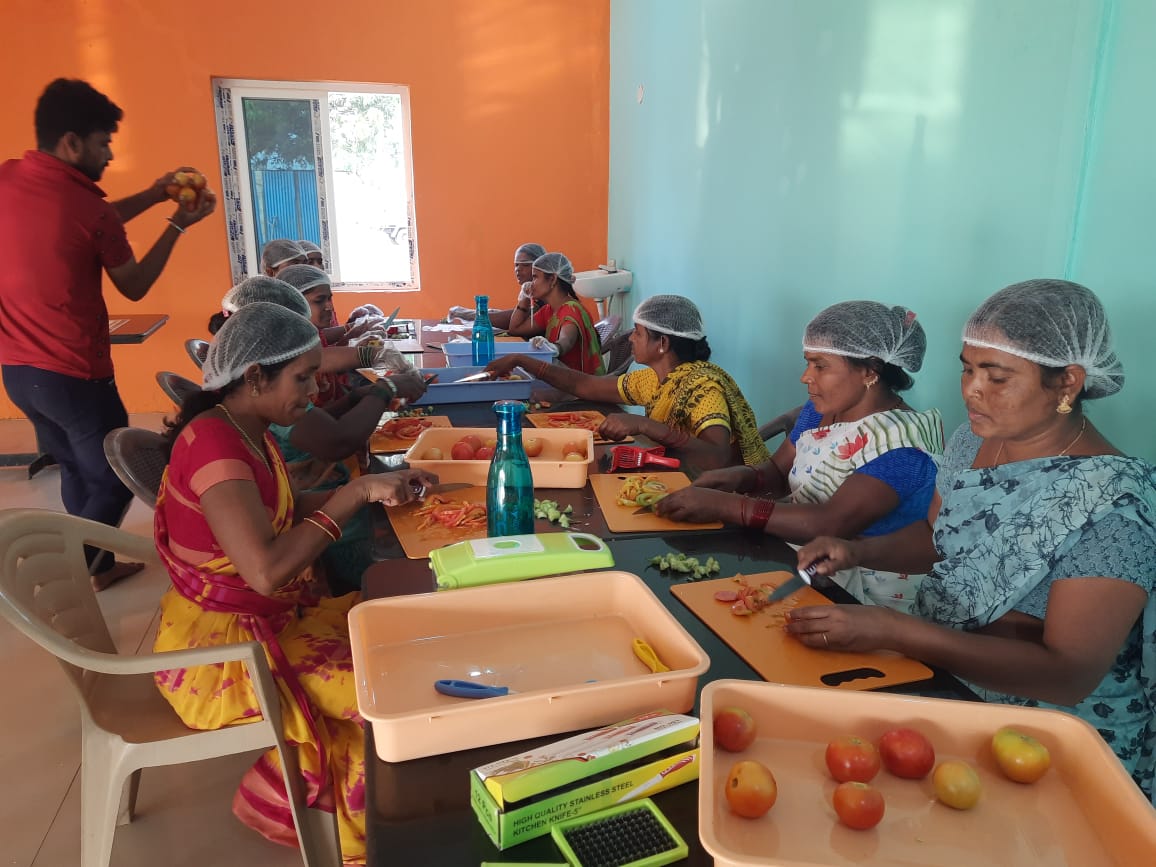
Local women washing and slicing fresh tomatoes ahead of solar drying
At work. Local women washing and slicing fresh tomatoes ahead of solar drying.
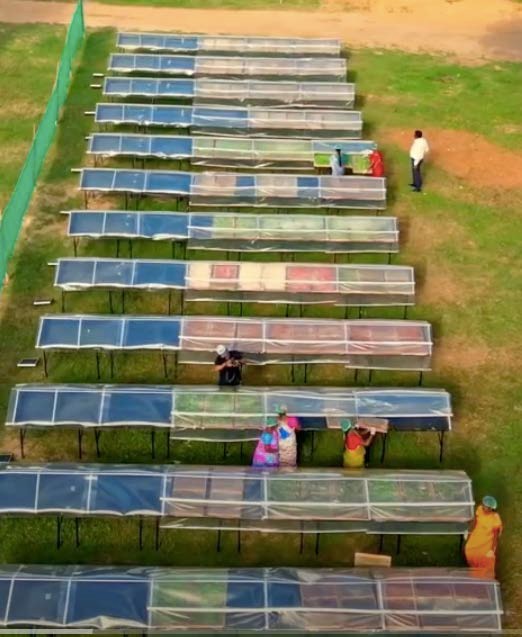
Aerial view of rows of solar dryers in operation at the Dichpally drying yard
The drying yard, from above. Rows of solar dryers in operation at Dichpally.
  1. Oct–Dec 2022

    Leadership site visits; a roadside building in Dichpally leased and identified for conversion into a processing facility.

  2. Dec 2022 – Feb 2023

    Electrification, perimeter walls and interior finishing carried out; solar dryers manufactured and inspected at Raheja Solar Food Products, Indore, and SEED, Hyderabad.

  3. Early Mar 2023

    Solar dryers despatched from Indore and installed on site; local women selected and trained in food processing.

  4. 11 Mar 2023

    Soft launch, marked with a traditional pooja at the facility.

  5. 3 May 2023

    Formal launch of Project Ravi Kiran, Dichpally.

Gratitude Farms

What came out the other end.

Solar-dried powders, no-sugar fruit rolls and energy bars — nutrition-tested, compliance-certified and packaged under the Trust's own brand.

A packet of Gratitude Farms solar-dried turmeric powder
Solar-dried turmeric powder
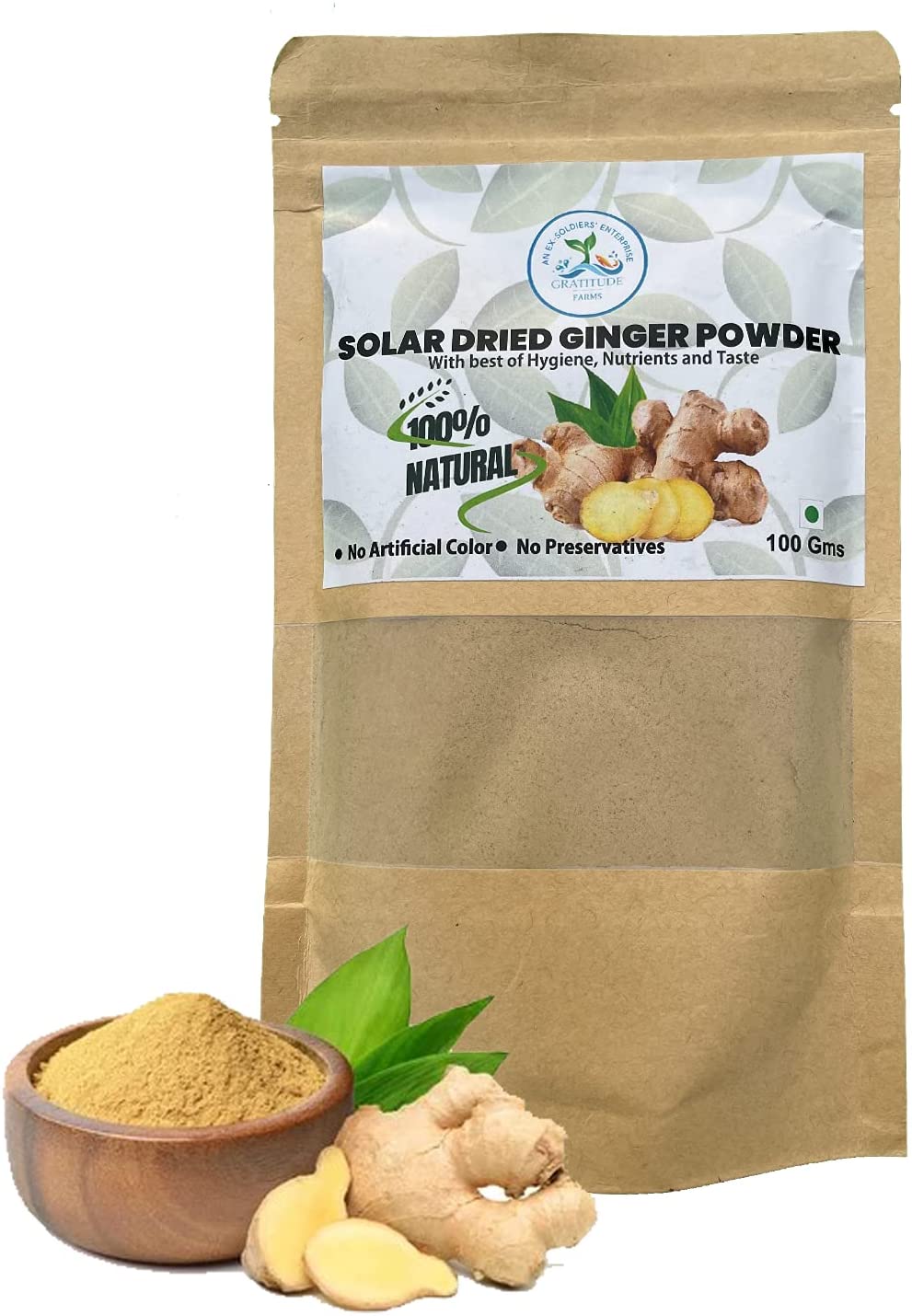
A packet of Gratitude Farms solar-dried ginger powder
Solar-dried ginger powder

What it proved

Sunlight, surplus harvest, and dignified livelihoods.

Project Ravi Kiran proved that a simple, zero-energy-cost technology — paired with rural women's skill and effort — can turn wasted produce into income, nutrition and dignity. It's a model the Trust continues to draw on as it builds its next generation of community-led infrastructure.